02.10.2025
Sightseeing
Kanaya Hotel History House - The origin of Japanese hospitality
In the early Meiji Era, Nikko was highly regarded by foreigners as a summer resort combining nature, history, and cultural heritage.
At the suggestion of an American medical missionary Dr. James C. Hepburn, who foresaw an increase in the number of foreigners visiting Nikko, Zenichiro Kanaya, who worked as a musician at Nikko Toshogu Shrine, decided to build lodging facilities for foreigners. He remodeled his house and opened "Kanaya Cottage Inn" exclusively for foreigners in 1873.
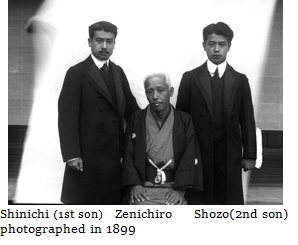
The house of "Kanaya Cottage Inn", built in the 1600s, was called “Samurai House” by foreigners because high-rank samurai lived there during the Edo period.
150 years after Zenichiro opened the inn, the Samurai House is now preserved as the “Kanaya Hotel History House” in its original form.
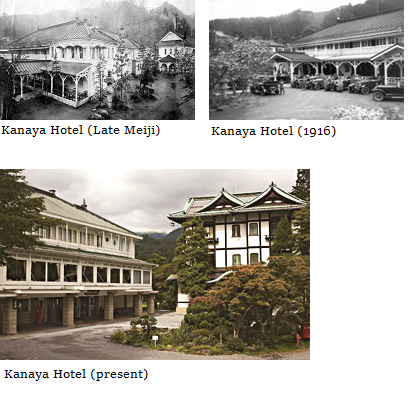
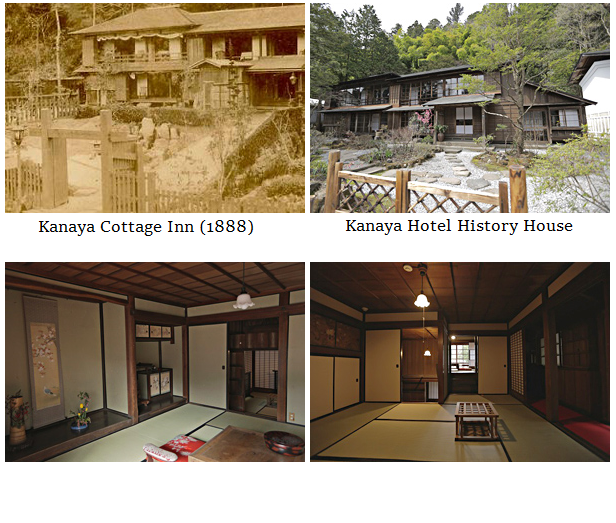 In 1893, Zenichiro opened the “Kanaya Hotel,” a 30-room hotel on a hilltop along the banks of the Daiya River, not far from the Samurai House. It was the first Western-style resort hotel built in Japan.
The Samurai House became a rare cultural asset with two aspects: its historical value as an Edo period samurai residence and the beginning of the history of resort hotels in Japan.
Zenichiro's second son, Shozo, while also demonstrating his skills as a hotel manager, collected various questions he received from foreigners and their answers. And he published them in a book titled “We Japanese” written in English.
In 1964, Zenichiro's grandson, Kenkichi, published a comprehensive book that compiled “We Japanse” volumes 1-3. This 591-page book is a groundbreaking introduction to Japan, covering everything from Japanese culture, history, weeklies, and beliefs to everyday tools and children's games.
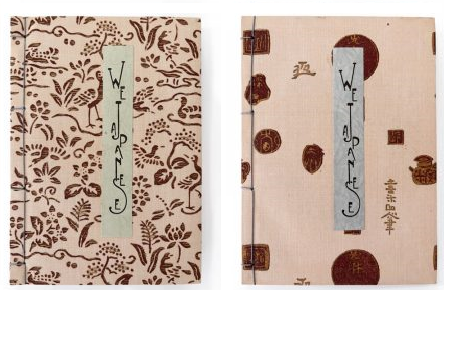
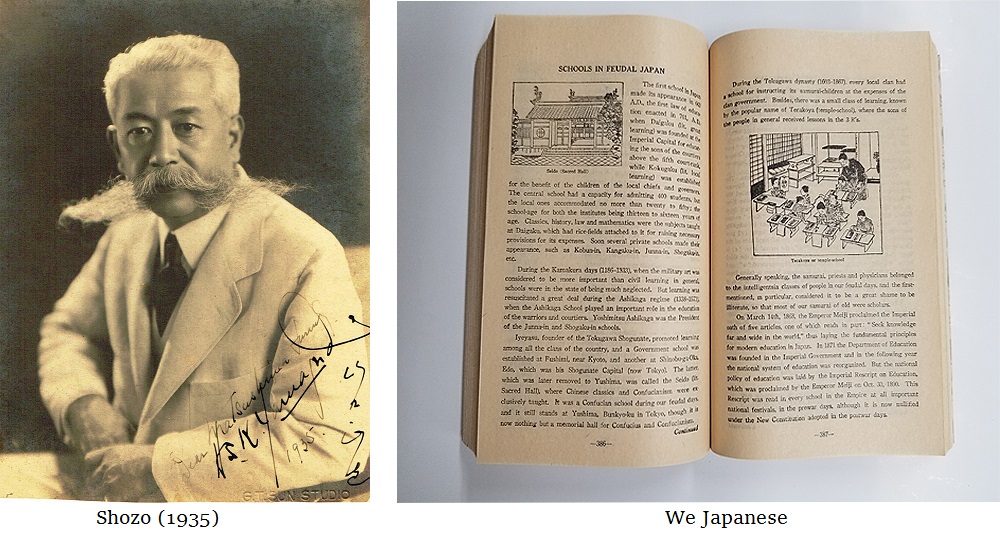 The Kanaya Hotel History House is selling the 1964 edition of “We Japanese” from its collection.
 The books have been carefully stored for over 50 years. They are still in a good condition today. Some parts of the content are not appropriate as the information regarding today’s Japan; however, the book provides non-Japanese readers necessary background for understanding Japan and its people. It is also valuable as an antique and suitable as a souvenir from Japan.
There are two different types of front covers.
(6,000 yen, tax not included)
The origin of Japanese hospitality
We invite you to experience it in Nikko.