10.15.2025
Sightseeing
Wakayama - Japanese Prefectures Part26
Recommended Location
Nachi Falls
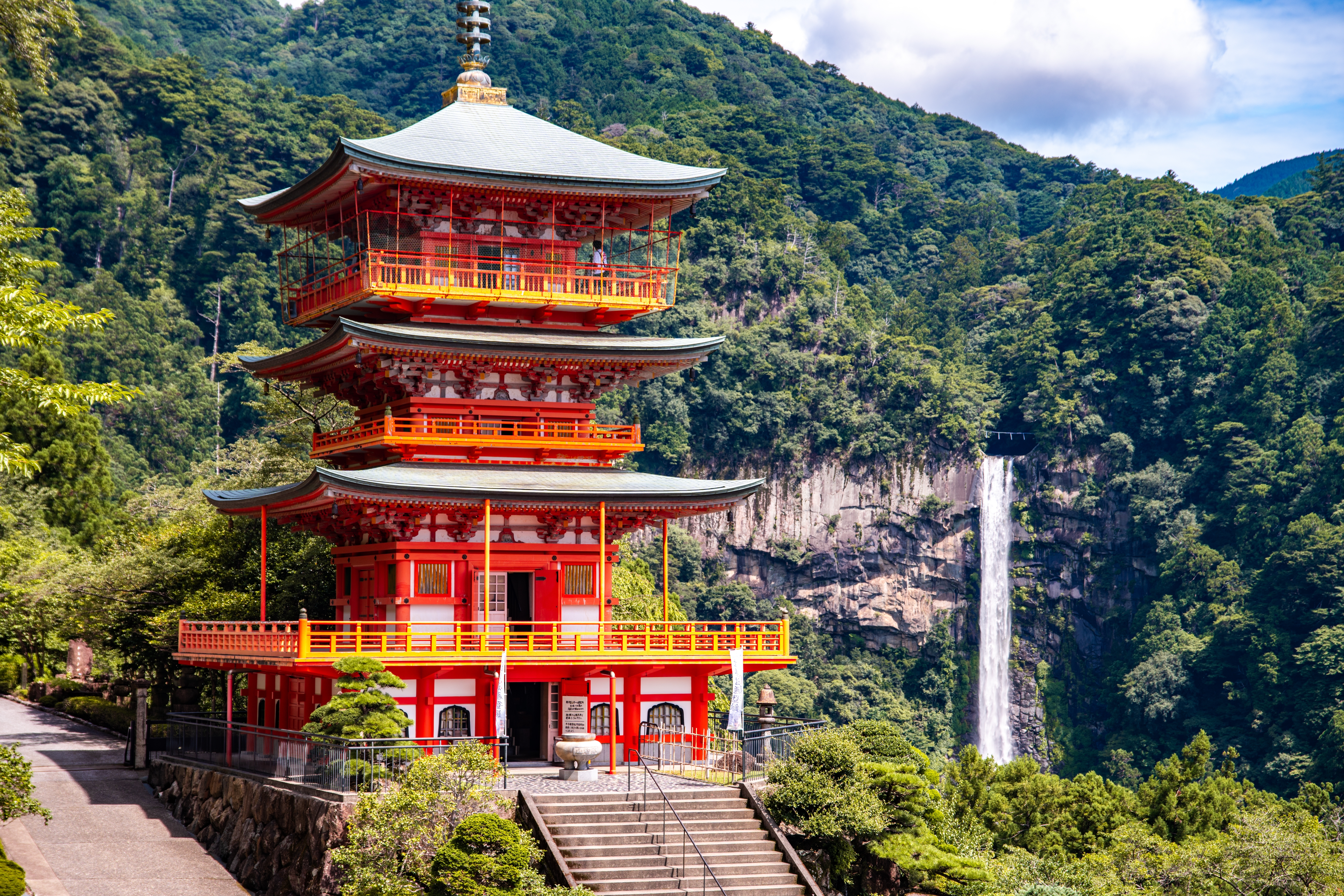 Nachi Falls is the tallest waterfall in Japan, with a drop of 133 meters. It has long been regarded as a sacred site and is worshipped at Kumano Nachi Taisha Shrine. The powerful flow of the water leaves a deep impression on visitors. As part of the Kumano Kodo route, it attracts both pilgrims and tourists.
Koyasan
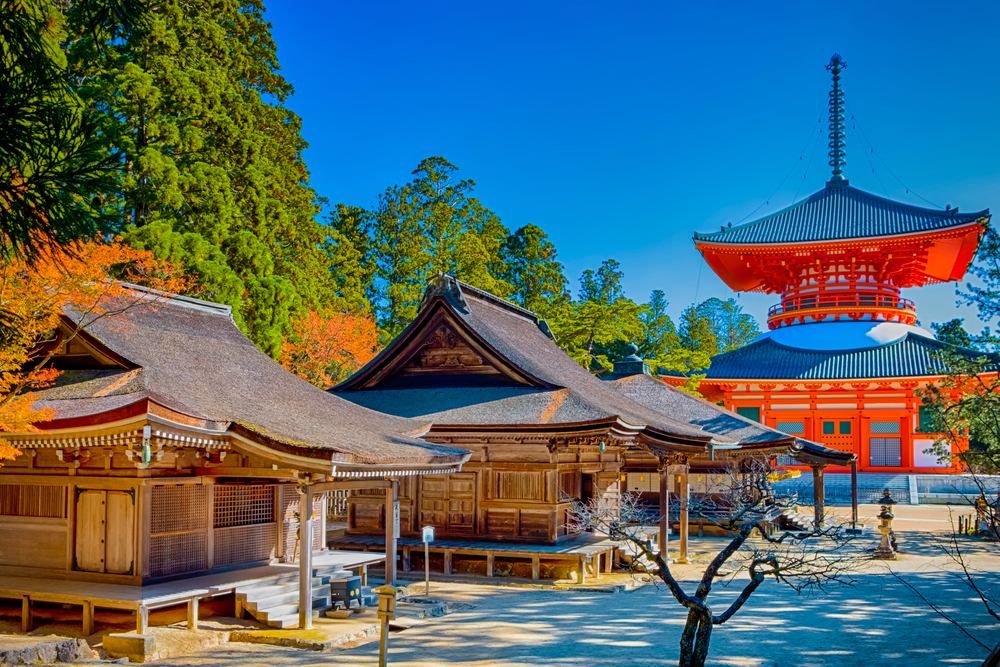 Koyasan is a sacred Buddhist site located in the mountainous northern region of Wakayama, in the Kihoku area. It was founded by the monk Kukai (Kobo Daishi) and serves as the center of Shingon Esoteric Buddhism. The area is home to many important temples, including Okunoin and Kongobuji. Recognized as a UNESCO World Heritage Site, it attracts visitors from Japan and abroad.
Kumano Kodo
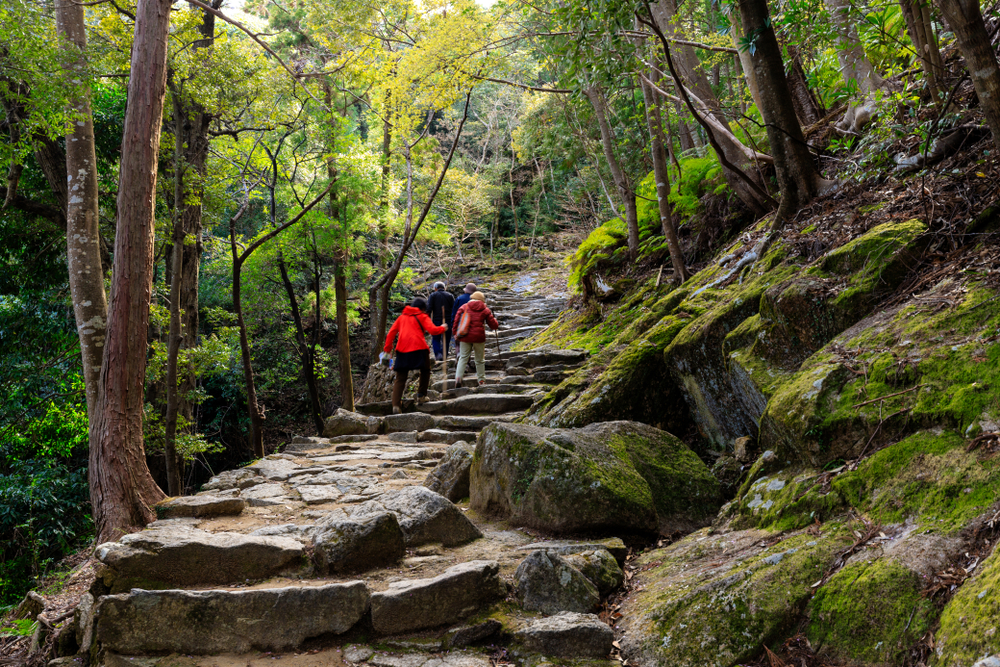 The Kumano Kodo is an ancient pilgrimage route leading to the three grand shrines of Kumano. For over a thousand years, people have walked these paths in prayer and reflection. Surrounded by mountains and forests, the trail offers a deeply spiritual and calming experience. It is a UNESCO World Heritage site, attracting pilgrims and travelers from around the world.
Hashigui-iwa
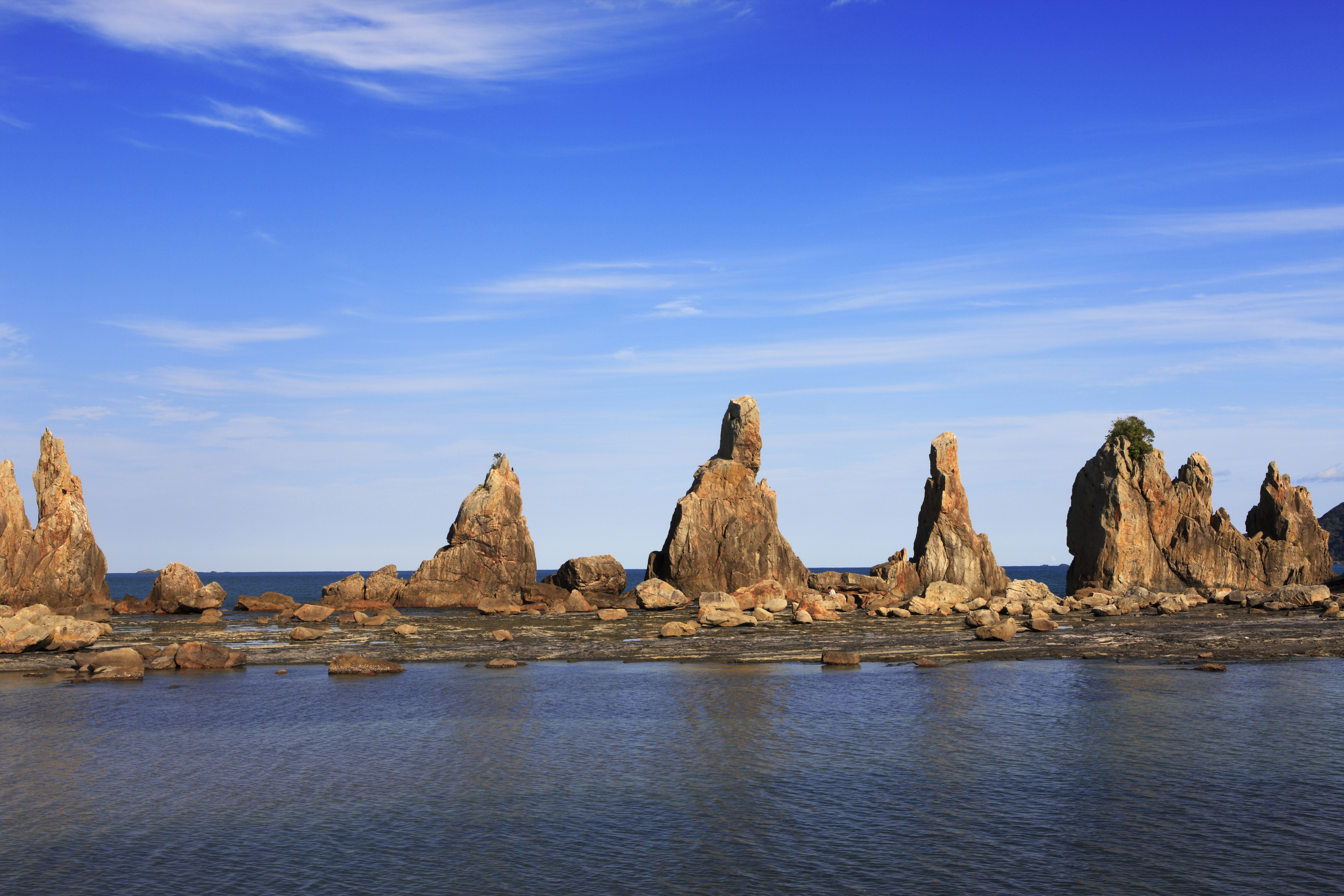 Hashigui-iwa is a line of unique rock formations along the coast of Kushimoto Town, at the southern tip of Wakayama Prefecture, in the southeastern part of the Kii Peninsula. More than 40 rocks stretch for about 850 meters, resembling the stakes of a bridge. It is known for its mysterious and striking natural scenery. During low tide, visitors can walk among the rocks.
Kamikura Shrine
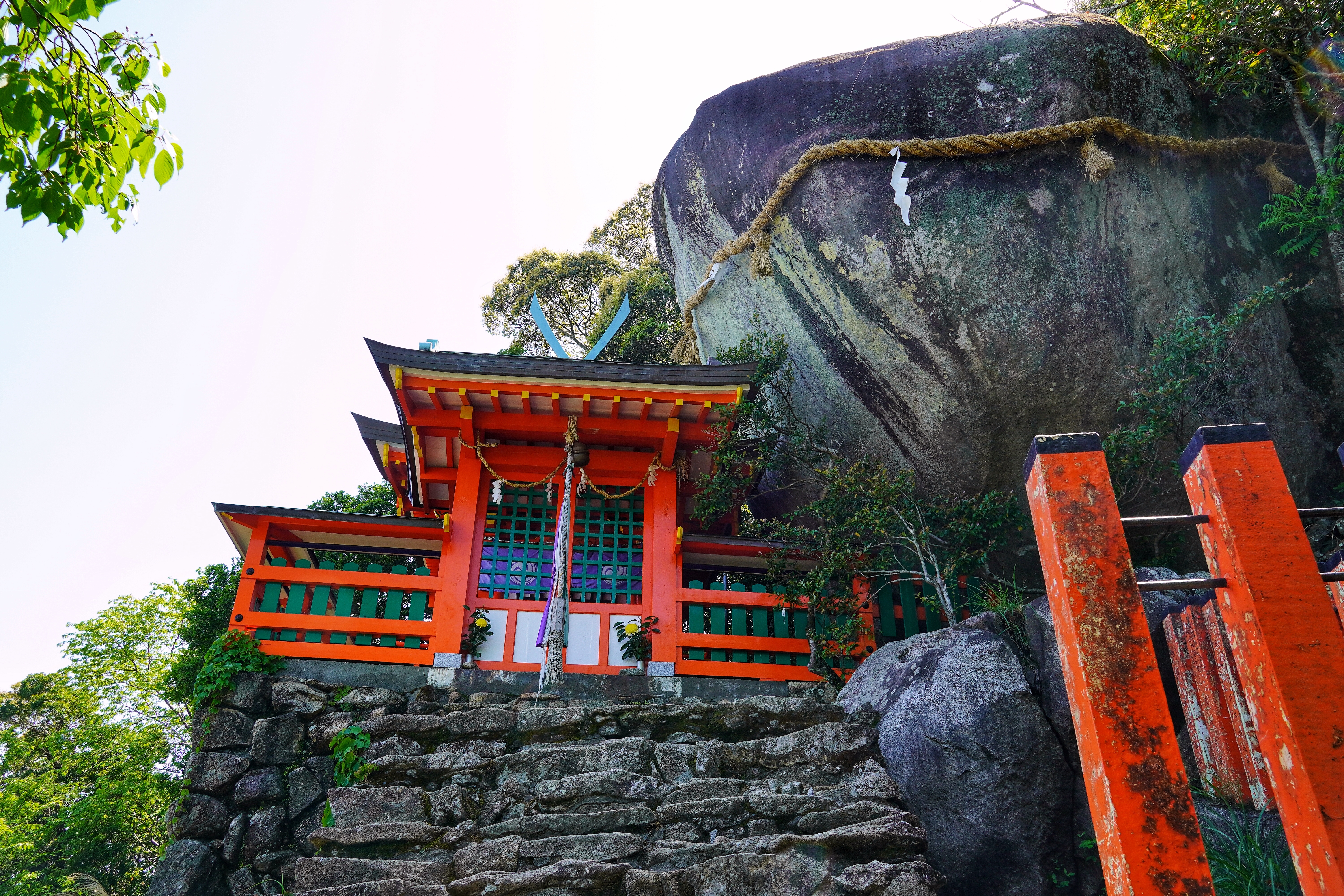 Kamikura Shrine is located on the slopes of Kamikura Mountain in the city of Shingū. To reach the main area, visitors climb steep 538 stone steps, arriving at the sacred “Gotobiki Rock.” On February 6th every year, a dramatic fire festival called “Otō Matsuri” is held, where men in white robes dash down the steps with torches. From near the shrine, one can enjoy panoramic views of Shingū city and the Kumano Sea.
Shirasaki Ocean Park
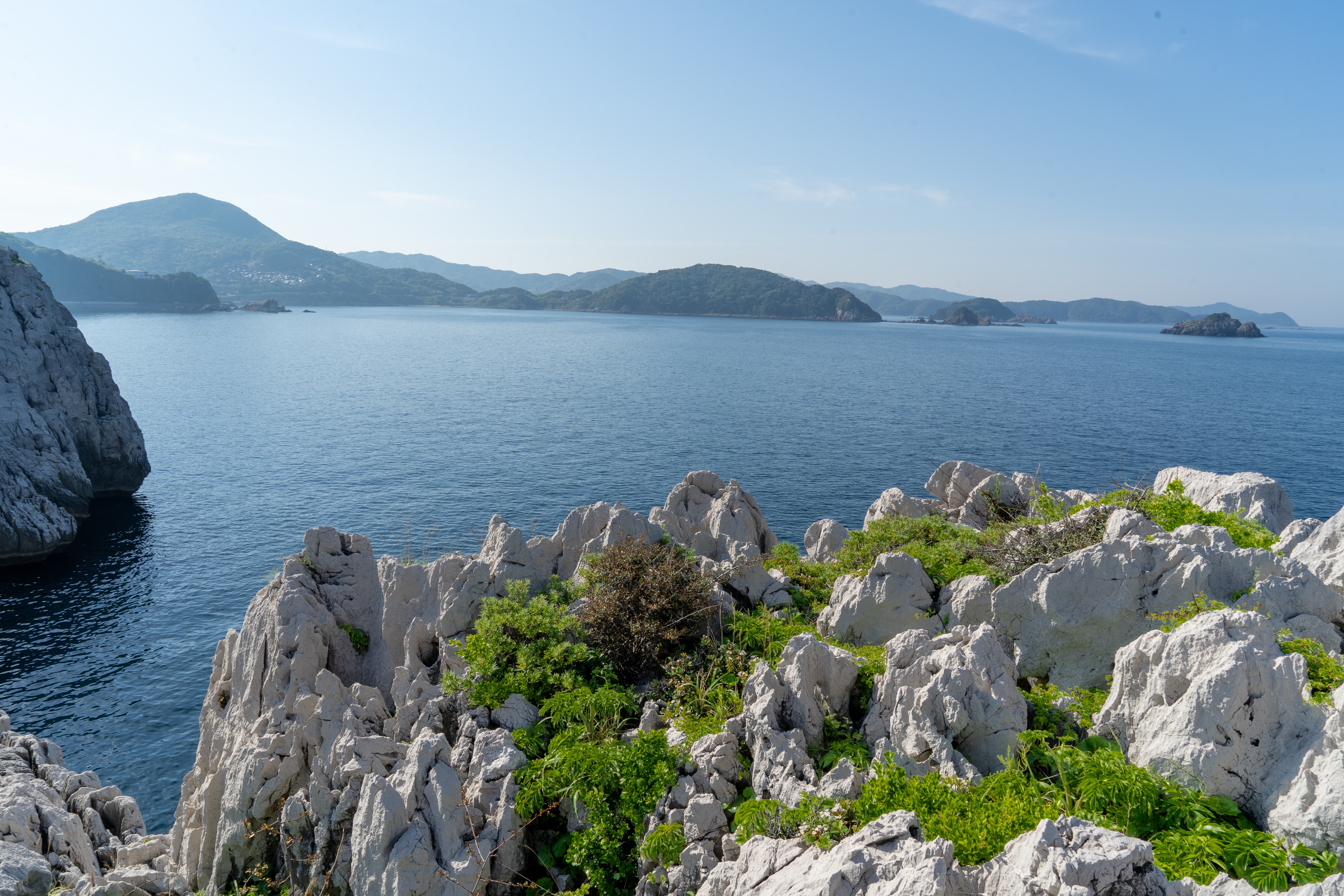 Shirasaki Ocean Park is located at Shirazaki Coast in Ōbiki, Yura Town. The striking contrast of the white limestone rocks and blue ocean has earned it the nickname “Japan’s Aegean Sea.” The limestone formations date back to the Permian Period (about 250 million years ago), and visitors can see fossils and impressive geological features from the observation decks and walking paths. The park includes facilities like a campground, log houses, diving areas, and a roadside station (michi-no-eki) with shops and local food, making it a great place to enjoy nature and the ocean.