06.09.2026
Sightseeing
Saga - Japanese Prefectures Part36
Recommended Location
Ureshino Onsen
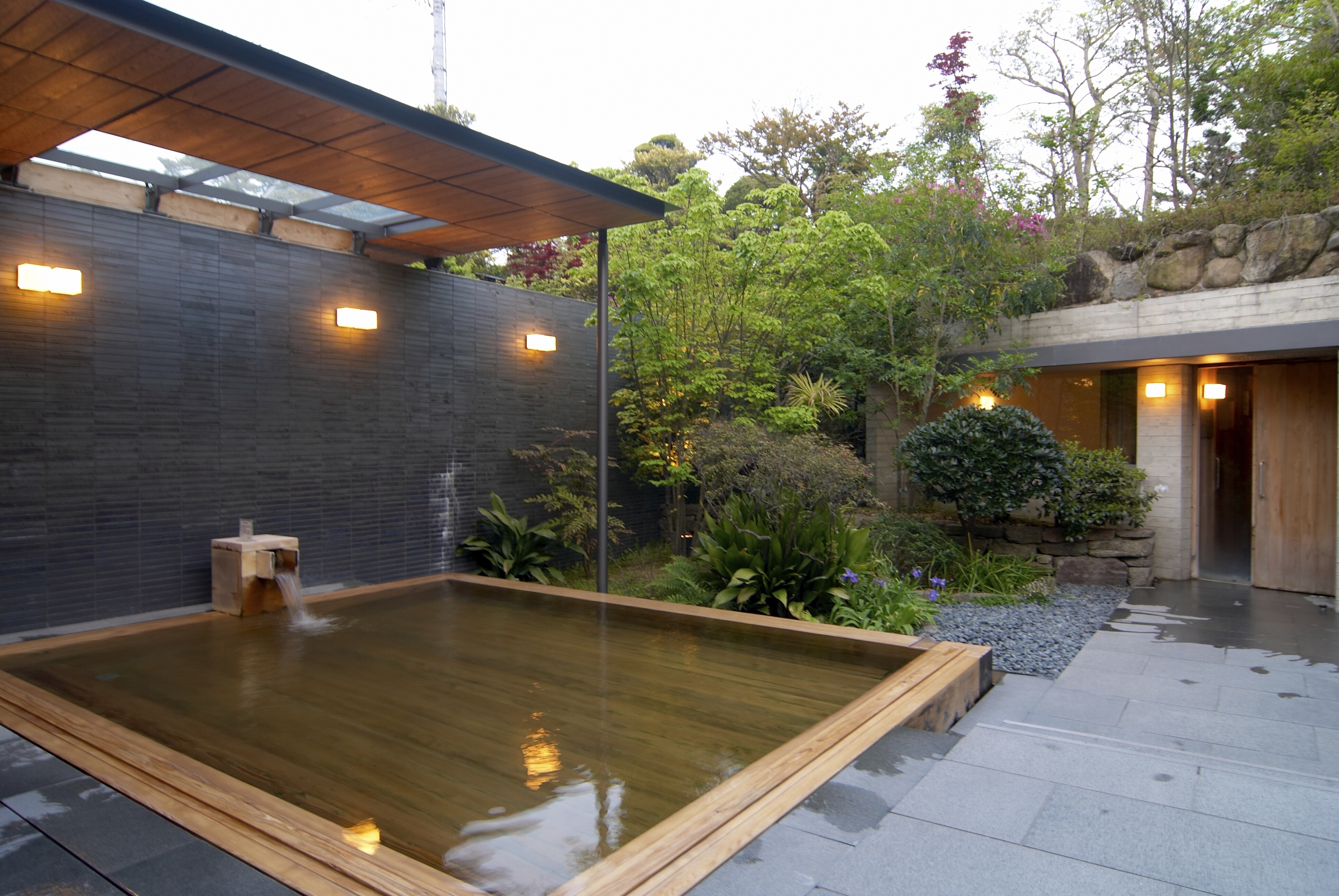 Ureshino Onsen, located in Ureshino City, Saga Prefecture, is a historic hot spring resort known as one of Japan’s three best “skin-beautifying” hot springs. Its smooth, silky waters are famous for leaving the skin feeling soft and refreshed. The hot spring town offers many inns and foot baths, making it a relaxing destination for visitors.
Yutoku Inari Shrine
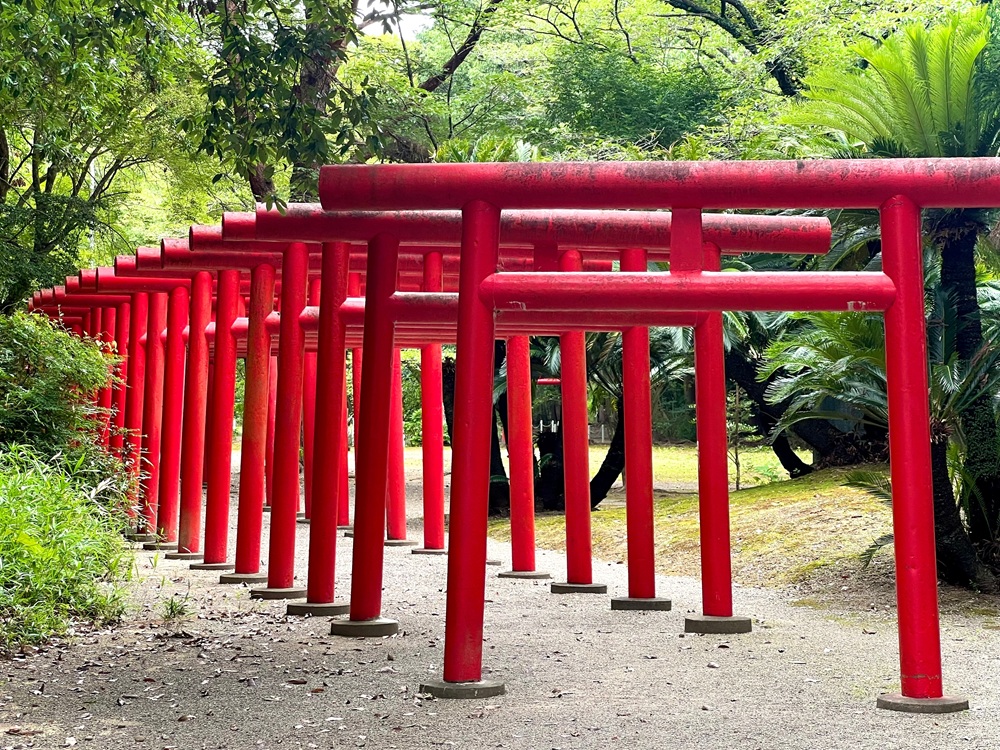
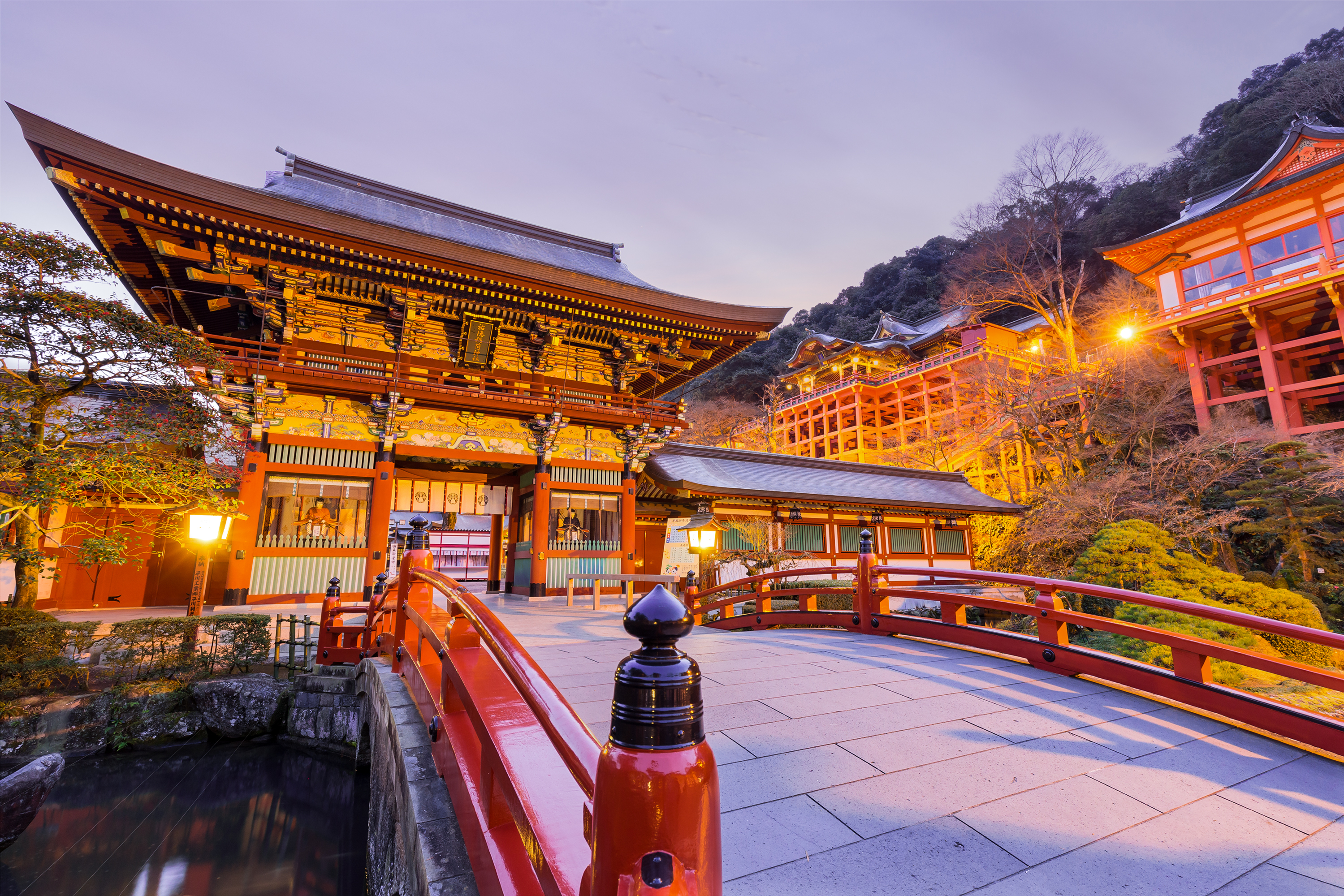 Yutoku Inari Shrine, located in Kashima City, Saga Prefecture, is one of Japan’s three major Inari shrines. It is dedicated to Inari, the deity of business prosperity and household safety, and is widely worshipped. The shrine is famous for its vivid red buildings and scenic hillside setting, making it a popular tourist destination.
Yoshinogari Historical Park
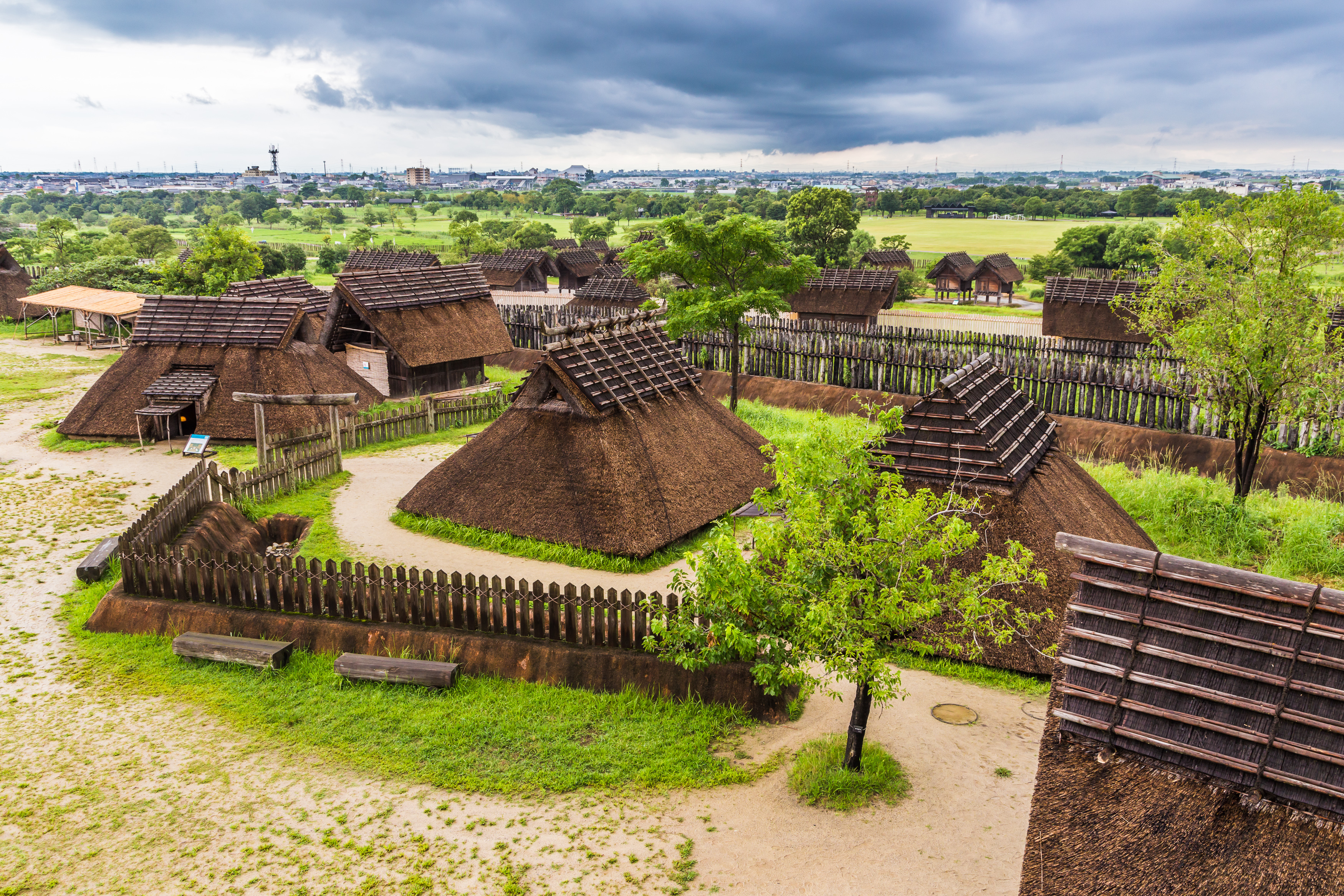 Yoshinogari Historical Park is one of Japan’s largest Yayoi-period archaeological sites, offering visitors a unique opportunity to experience ancient Japanese life and culture. Reconstructed watchtowers and dwellings allow visitors to imagine what life was like over 2,000 years ago. It is a popular destination for international travelers interested in history and archaeology.
Ouo Shrine Sea Torii Gates
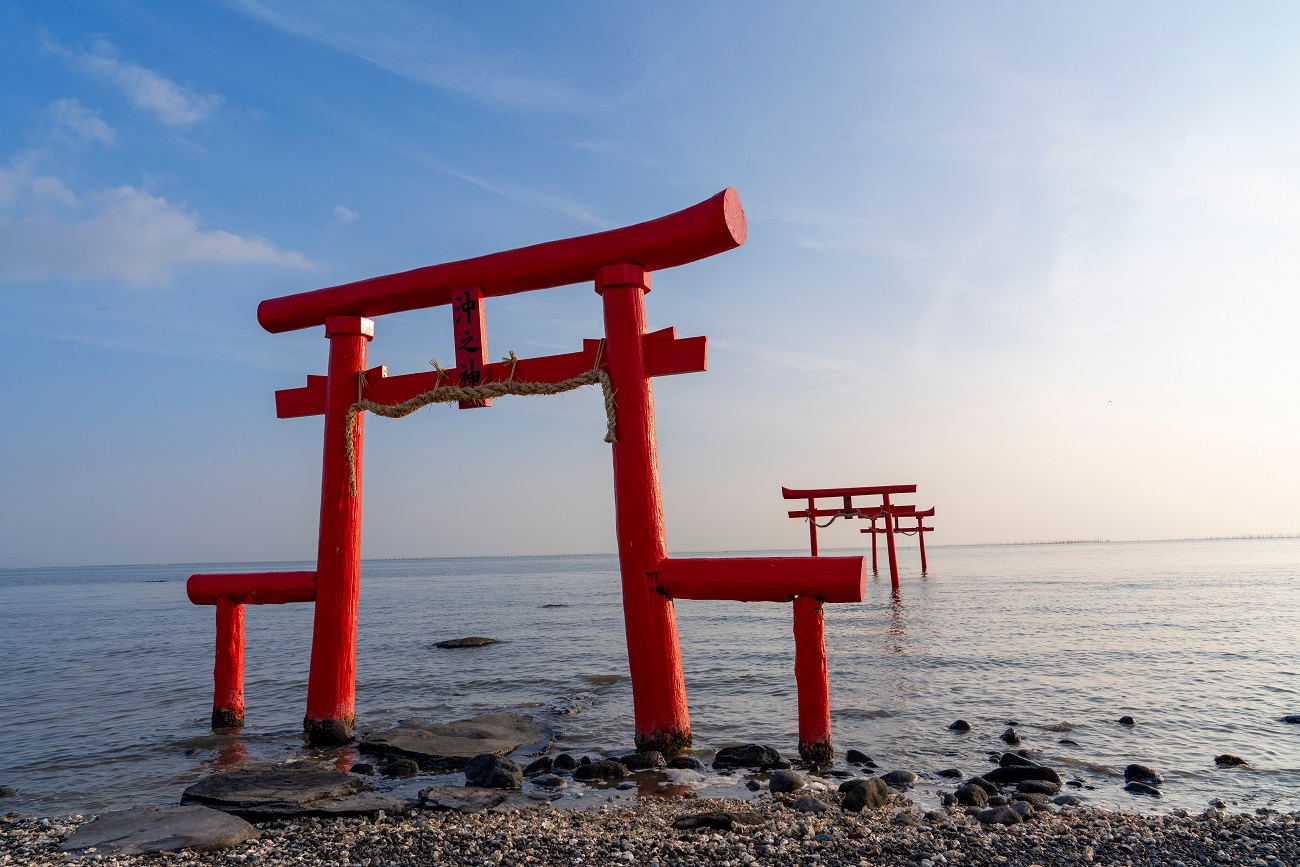 Ouo Shrine Sea Torii Gates are one of Saga’s most iconic scenic attractions, shaped by the dramatic tides of the Ariake Sea. At high tide, the torii gates appear to float on the water, while at low tide visitors can walk close to them. The breathtaking sunset views make this a favorite spot for photographers and travelers.
Karatsu Kunchi
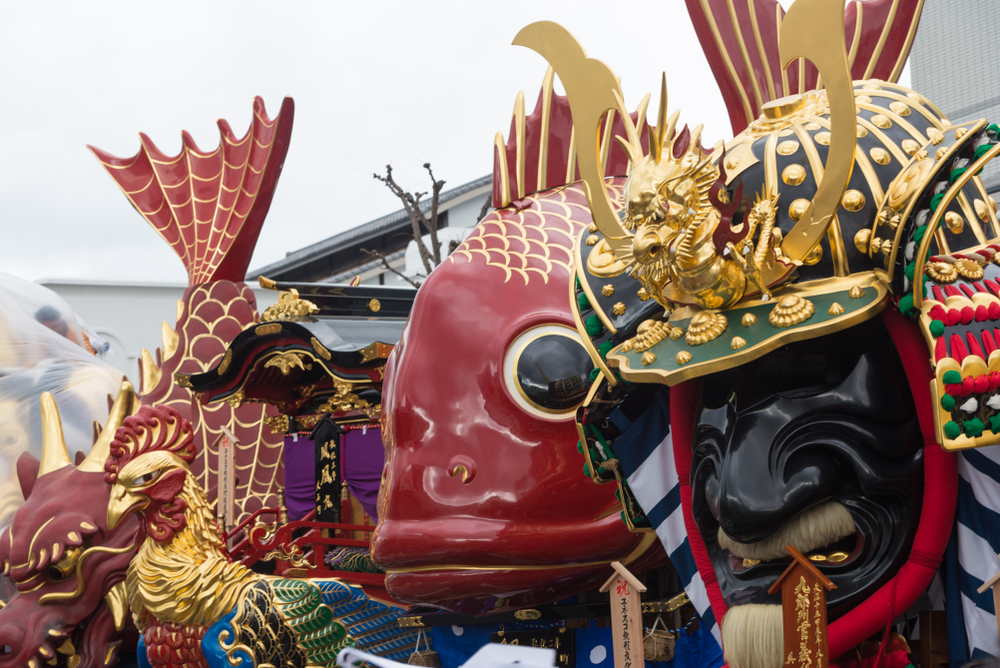 Karatsu Kunchi is one of Saga’s most famous traditional festivals, held every November. The highlight is the spectacular procession of 14 elaborately decorated Hikiyama floats through the historic castle town. Recognized as part of UNESCO’s Intangible Cultural Heritage, it offers visitors a unique opportunity to experience authentic Japanese festival culture.
Imari Ware
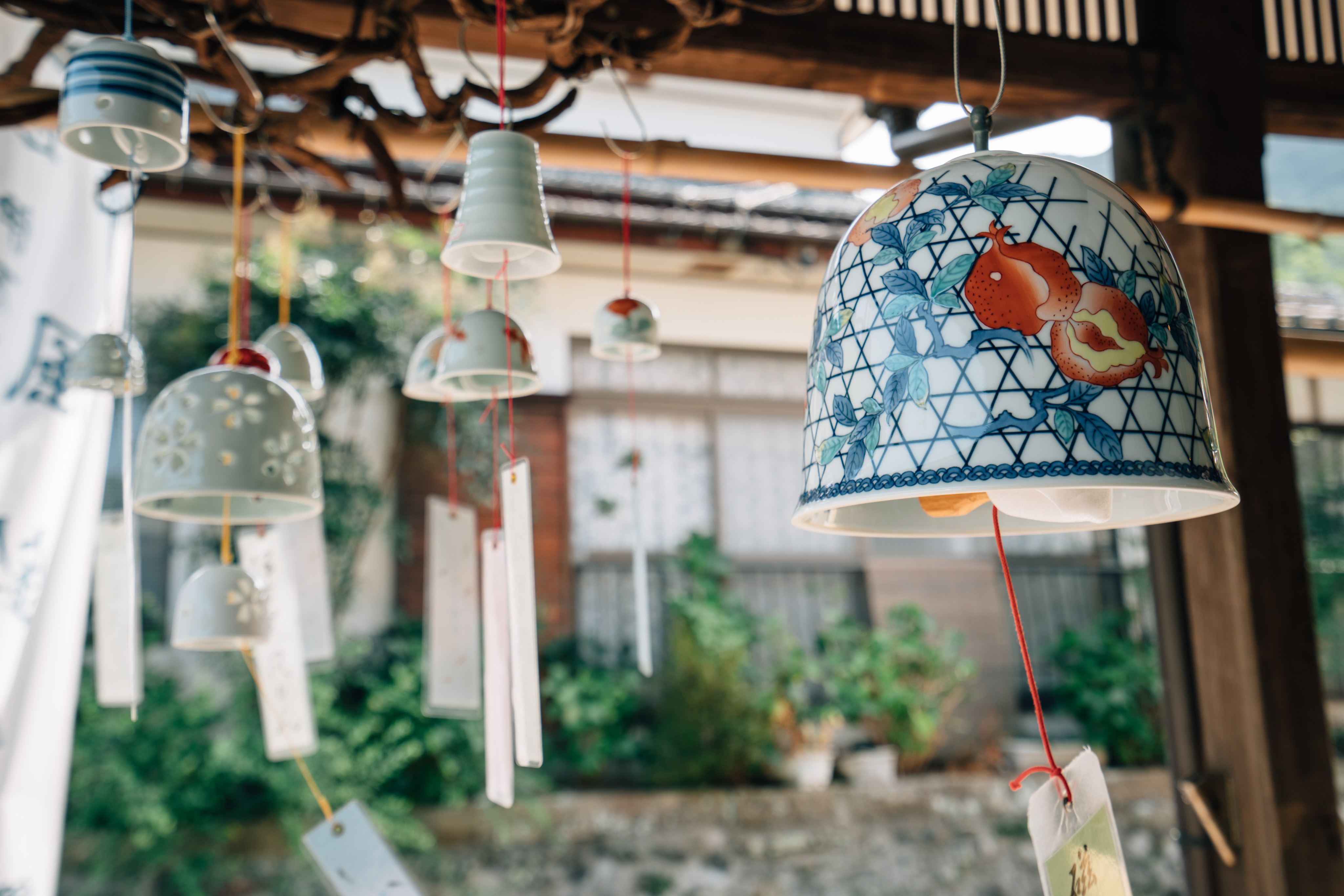 Imari Ware is one of Saga’s most famous traditional crafts, with a history of more than 400 years. Known for its vibrant colors and intricate designs, it was highly prized by European royalty and aristocrats. Visitors can explore kilns and museums to learn about its craftsmanship and rich history.