02.04.2025
Activity
Let's go see Kabuki!
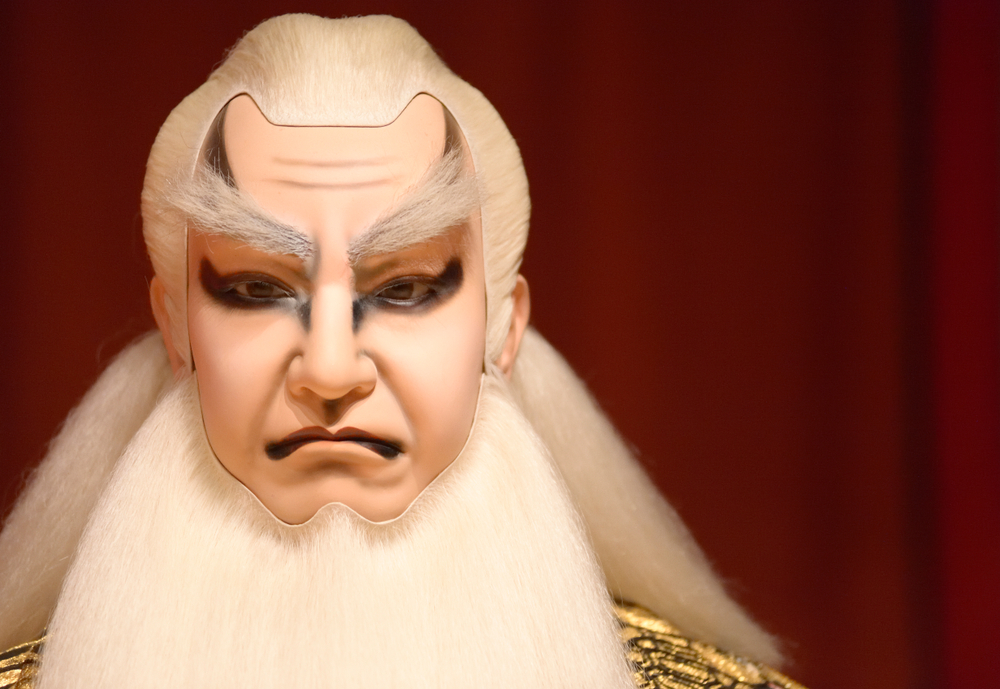
History of Kabuki
Kabuki began in the early 17th century with the Kabuki Odori (Kabuki dance) performed by “Okuni”, a woman who claimed to be a shrine maiden of Izumo Taisha Shrine.Later, “Onna kabuki” performed by female performers became popular in many parts of Japan. However, it grew so popular that it was banned by the shogunate on the grounds of disturbing public morals, and “Wakashu kabuki” performed by young boys appeared instead. This, too, was later banned, and a new form, “yaro kabuki,” performed by adult men, emerged.
The content of the performances evolved from songs and dances to more theatrical performances with a plot consisting of multiple scenes.
Where can we see Kabuki?
The most famous place is the “Kabuki-za” in Higashi-ginza, Tokyo. Other locations include “Enbujo” in Tokyo's Shinbashi district, “Minamiza” in Kyoto, and “Shochikuza” in Osaka.Is Kabuki difficult to understand?
Traditional Kabuki is difficult even for Japanese people. This is because kabuki uses the old Japanese language. If you know the story in advance and watch the performance many times, you will gradually become accustomed to it and enjoy it.Some Kabuki can be enjoyed with subtitles in English or other languages using a special application, and recently there have been productions such as "Super Kabuki", which incorporates modern works into Kabuki, such as "One Piece" or "Naruto", making it more accessible to beginners.
When you come to Japan, you should definitely give it a try :)