Osaka - Japanese Prefectures Part 46
Osaka Prefecture is located in Japan’s Kansai region and has long been an important center of commerce and culture. Once known as “the nation’s kitchen,” Osaka remains one of Japan’s liveliest urban destinations. Beyond its famous food culture, including takoyaki and okonomiyaki, the prefecture offers historic landmarks, modern shopping districts, and world-class theme parks. Discover Osaka’s distinctive energy and welcoming atmosphere on a trip full of variety.
Recommended Location
Kita Area (North Area)
Kita, one of Osaka’s main downtown districts, is a lively area known for shopping, dining, and modern architecture.
Umeda Sky Building is a landmark featuring a Floating Garden Observatory that connects its two towers, offering panoramic views of the city. Grand Front Osaka is a large mixed-use complex with shops, restaurants, offices, and innovation facilities, reflecting Osaka’s continuing urban development.
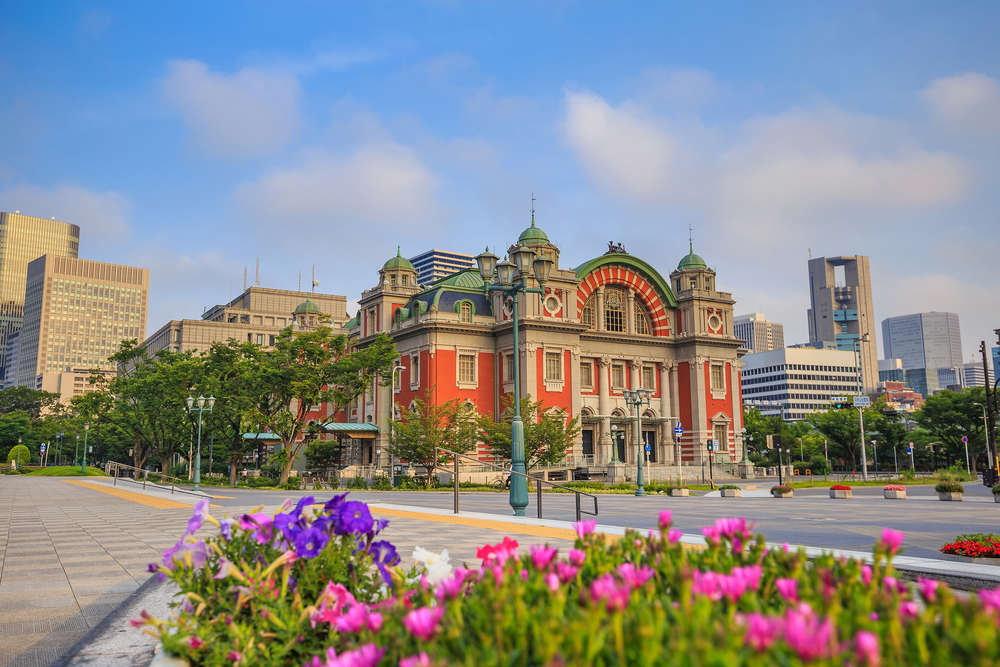
Nearby, Nakanoshima offers a more relaxed atmosphere on a narrow island between the Dojima and Tosabori rivers. Osaka City Central Public Hall, completed in 1918, is a striking red-brick historic building that recalls the city’s prosperity during the early modern era. Just a short walk away, Nakanoshima Park invites visitors to enjoy its rose garden, riverside paths, and peaceful waterfront scenery.
Minami Area (South Area)
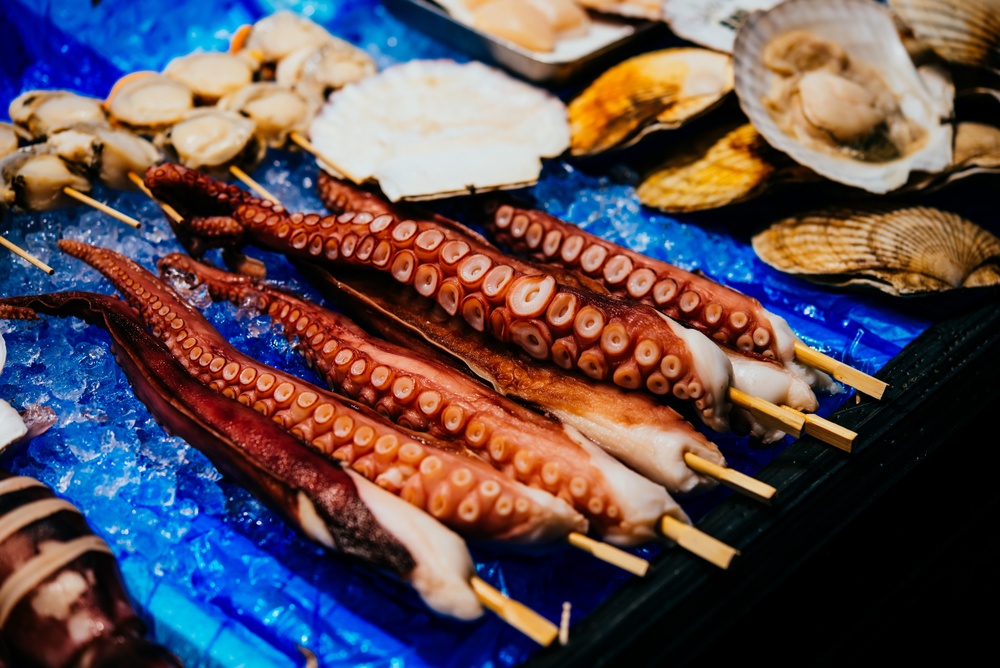
Minami is one of Osaka’s best-known entertainment districts, offering a lively mix of local food, shopping, and vibrant city life.
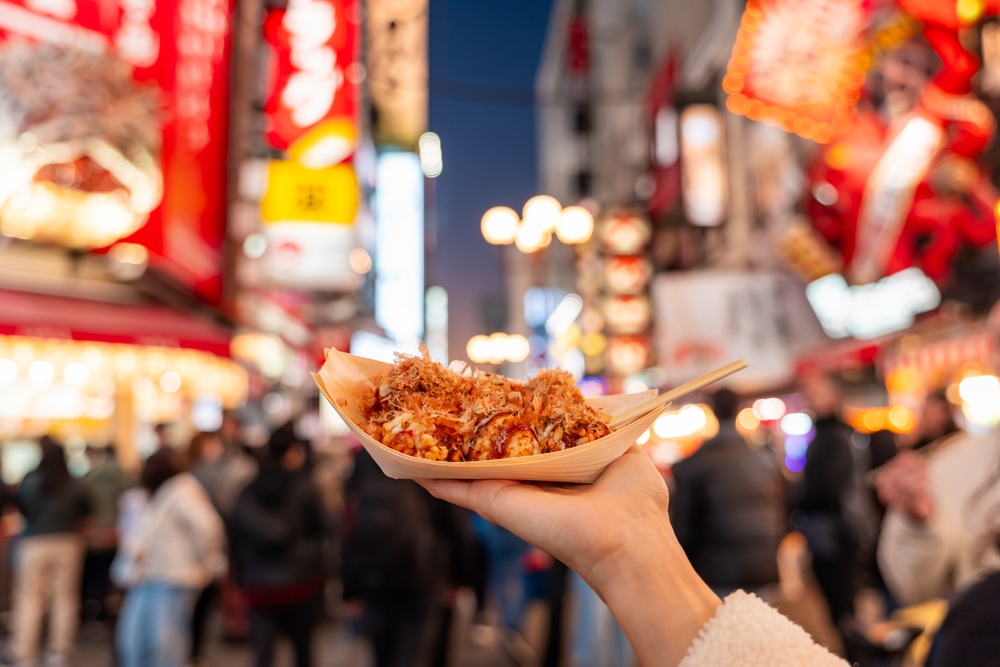
In Dotonbori, colorful neon signs and giant billboards line the canal, creating one of Osaka’s most recognizable cityscapes. It is also a great place to try local specialties such as takoyaki and okonomiyaki. Nearby, Shinsaibashi-suji Shopping Street is a bustling covered arcade filled with fashion stores, cosmetics shops, and a wide variety of retailers.
Food lovers should also visit Kuromon Ichiba Market, known for its fresh seafood, fruit, and prepared foods. For a quieter atmosphere, Hozenji Yokocho, a narrow stone-paved alley near Dotonbori, is lined with traditional restaurants and offers a glimpse of Osaka’s more nostalgic side.
Osaka Castle, Tenma & Kyobashi
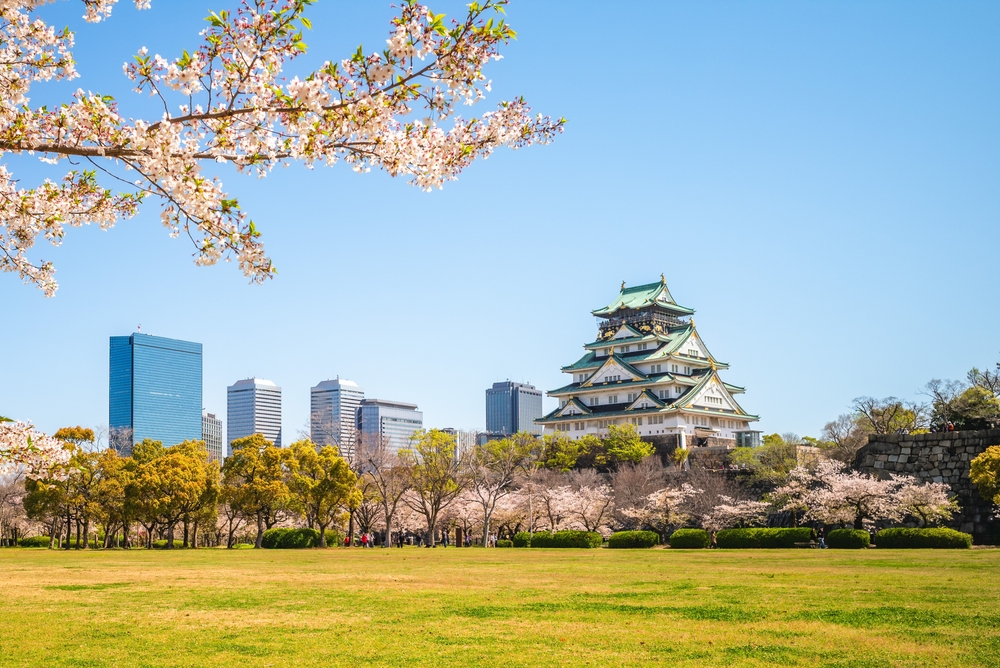
This area offers a chance to explore Osaka’s history and experience the everyday life of its local communities.
Osaka Castle is one of the city’s most famous landmarks, originally built by the warlord Toyotomi Hideyoshi. The current main tower was reconstructed in 1931, and its museum displays introduce visitors to the Warring States period and the history of Osaka. Nearby, the Osaka Museum of History traces the city’s development, from the ancient Naniwa Palace to its growth as a modern metropolis.
For a taste of local life, visit Tenjinbashisuji Shopping Street, a covered arcade stretching approximately 2.6 kilometers and lined with restaurants and neighborhood shops. Osaka Tenmangu Shrine, dedicated to Sugawara no Michizane, the deity associated with learning, is another local highlight. The shrine is closely connected to Tenjin Matsuri, one of Osaka’s most celebrated traditional festivals, held every July.
Tennoji, Shinsekai & Abeno
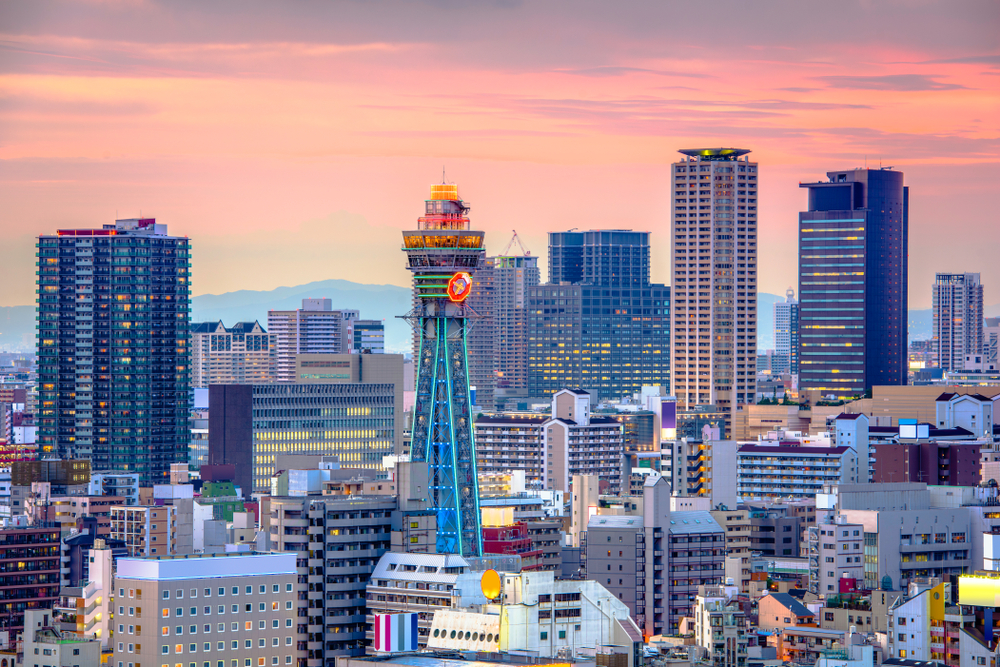
The Tennoji, Shinsekai, and Abeno area offers a fascinating contrast between Osaka’s traditional downtown culture and its modern urban skyline.
Shinsekai, dominated by the Tsutenkaku Tower, is known for its retro signs, casual eateries, and lively atmosphere. Visitors can sample local specialties such as kushikatsu, deep-fried skewers, while exploring this distinctive neighborhood. In contrast, Shitennoji Temple, traditionally dated to 593 and associated with Prince Shotoku, is one of Japan’s historic Buddhist temples and offers a glimpse into the country’s early Buddhist history.
For a more modern perspective, visit Abeno Harukas, a towering mixed-use complex with an observation deck offering sweeping views of Osaka. Nearby, Tennoji Park and Keitakuen Garden provide a peaceful retreat, with green open spaces and a traditional Japanese garden centered around a pond.
Osaka Bay Area
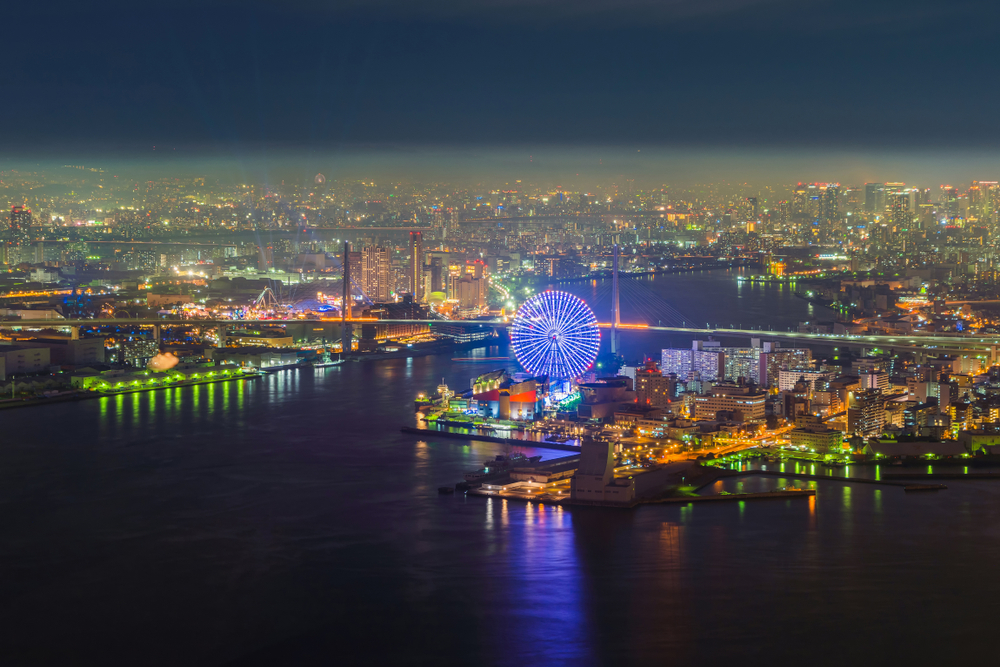
The Osaka Bay Area combines entertainment, marine attractions, and waterfront scenery, making it a popular destination for visitors of all ages.
Universal Studios Japan (USJ) is one of Japan’s leading theme parks, where visitors can explore attractions inspired by movies and popular entertainment franchises. For a different kind of experience, Osaka Aquarium Kaiyukan is famous for its enormous central tank, where whale sharks swim alongside other marine life.
Nearby, the Tempozan Ferris Wheel offers views of Osaka Port and the surrounding waterfront. For a broader panorama, head to the Sakishima Cosmo Tower Observatory, located on an artificial island in Osaka Bay. From here, visitors can look out over the bay, port facilities, and the city beyond, discovering another side of Osaka as a historic maritime and trading center.
Northern Osaka
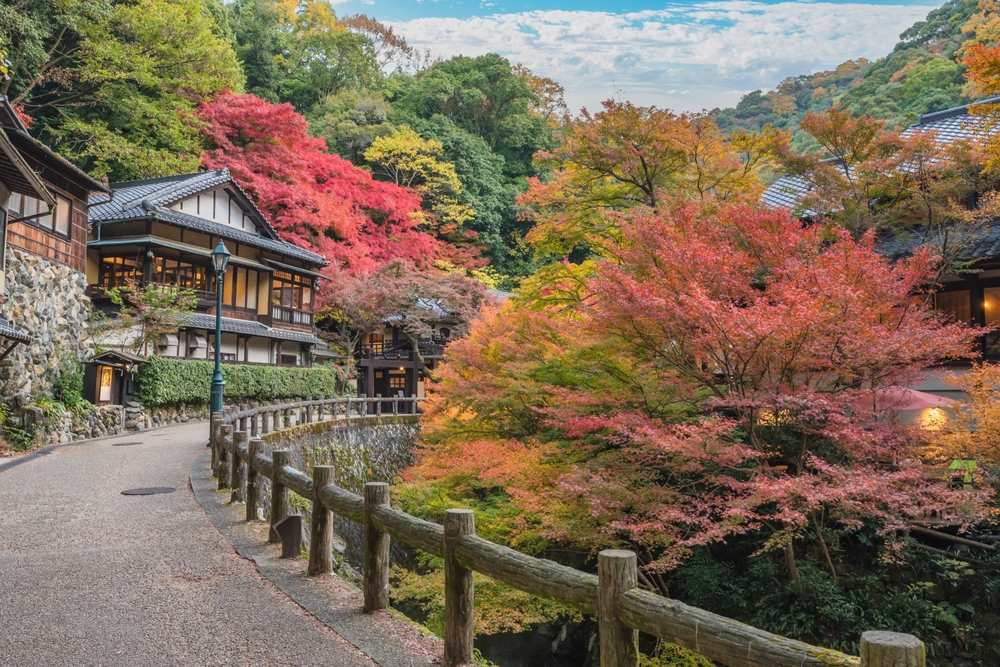
Northern Osaka offers a different side of the prefecture, with Expo history, world cultures, natural scenery, and unique hands-on attractions.
Expo ’70 Commemorative Park was developed on the site of the 1970 Japan World Exposition. Its most striking landmark is the Tower of the Sun, an iconic and unconventional sculpture created by artist Taro Okamoto. Within the park, the National Museum of Ethnology introduces visitors to cultures and ways of life from around the world through an extensive collection of artifacts and exhibits.
For a nature escape, Minoh Waterfall, a 33-meter-high waterfall surrounded by forest, is a popular destination, particularly during the autumn foliage season. In Ikeda, the CupNoodles Museum Osaka Ikeda explores the history of instant ramen and its development, while offering visitors the chance to create their own original cup noodles.