Shimane - Japanese Prefectures Part 44
Shimane Prefecture, located in the San'in region of western Japan, is deeply connected to Japanese mythology and ancient history. From Izumo Taisha, one of Japan's most important Shinto shrines, to historic castle towns, beautiful Japanese gardens, and the UNESCO World Heritage Site of Iwami Ginzan Silver Mine, the region offers a wealth of attractions. The remote Oki Islands in the Sea of Japan are also known for their dramatic landscapes and unique history. Shimane is an ideal destination for discovering Japan's myths, traditional culture, and natural beauty.
Recommended Location
Izumo Taisha
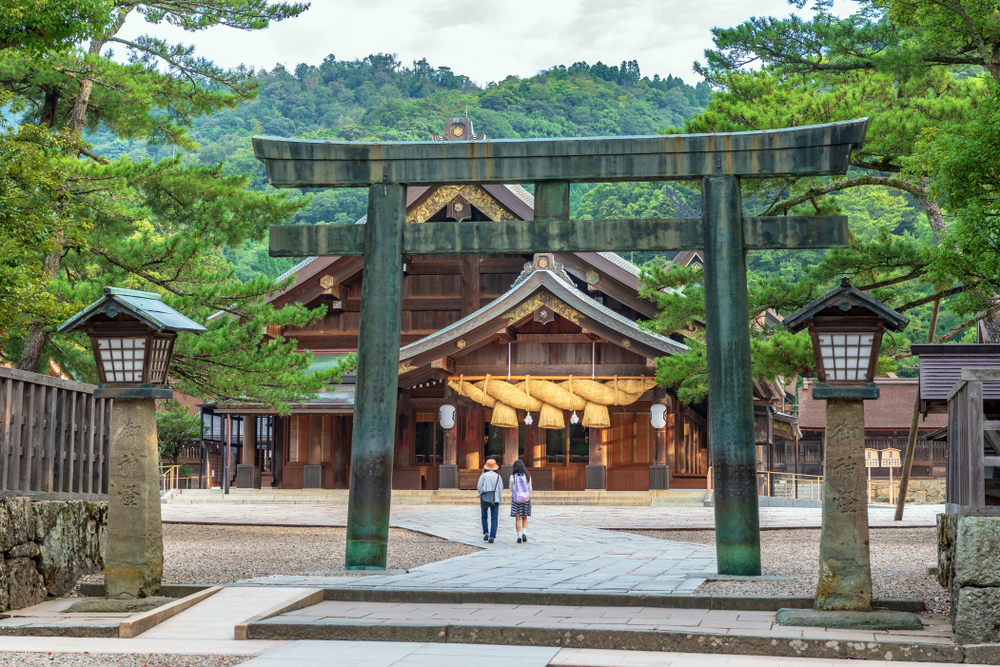
Izumo Taisha is one of Japan’s most important Shinto shrines, dedicated to Okuninushi, a deity featured in Japanese mythology. The shrine is widely known for its association with enmusubi, the forming of meaningful connections and relationships, and attracts visitors from across Japan. Its impressive shrine buildings and enormous sacred straw ropes offer a glimpse into Japan’s distinctive Shinto traditions. Every year, during the tenth month of the traditional lunar calendar, the shrine holds the Kamiari Festival, based on the belief that deities from across Japan gather in Izumo.
Matsue
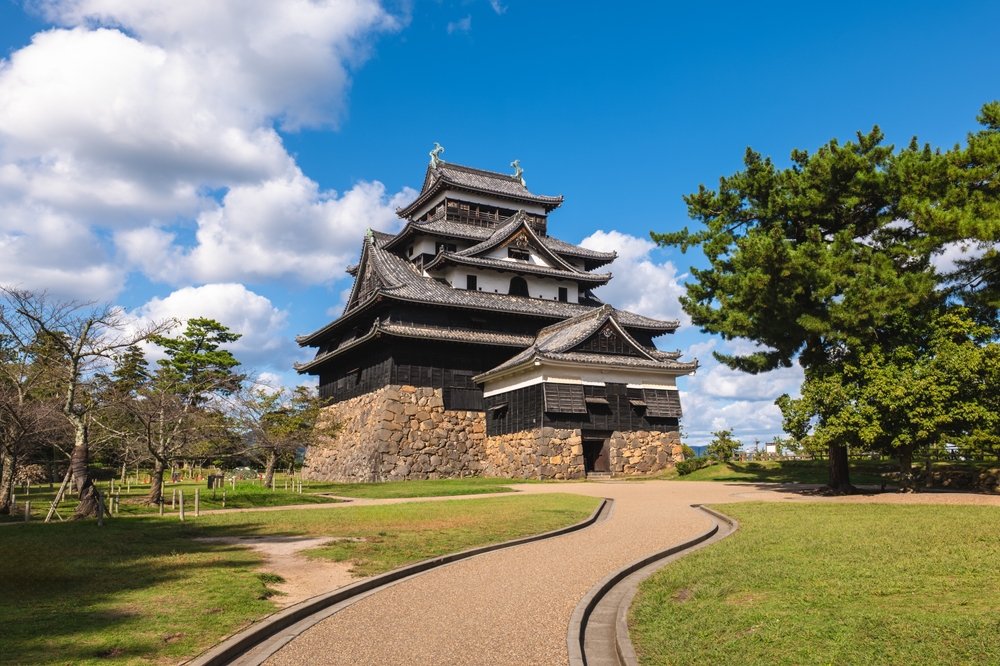
Matsue, the capital of Shimane Prefecture, is a historic castle town often known as the “City of Water.” Matsue Castle, designated a National Treasure of Japan, preserves the atmosphere of an early Edo-period fortress, while charming streets and waterways surround the old castle district. The city is also closely associated with Lafcadio Hearn, the writer who introduced Japanese ghost stories and folklore to international audiences. With its historic architecture, scenic canals, and rich cultural heritage, Matsue is an inviting place to explore at a leisurely pace.
Iwami Ginzan
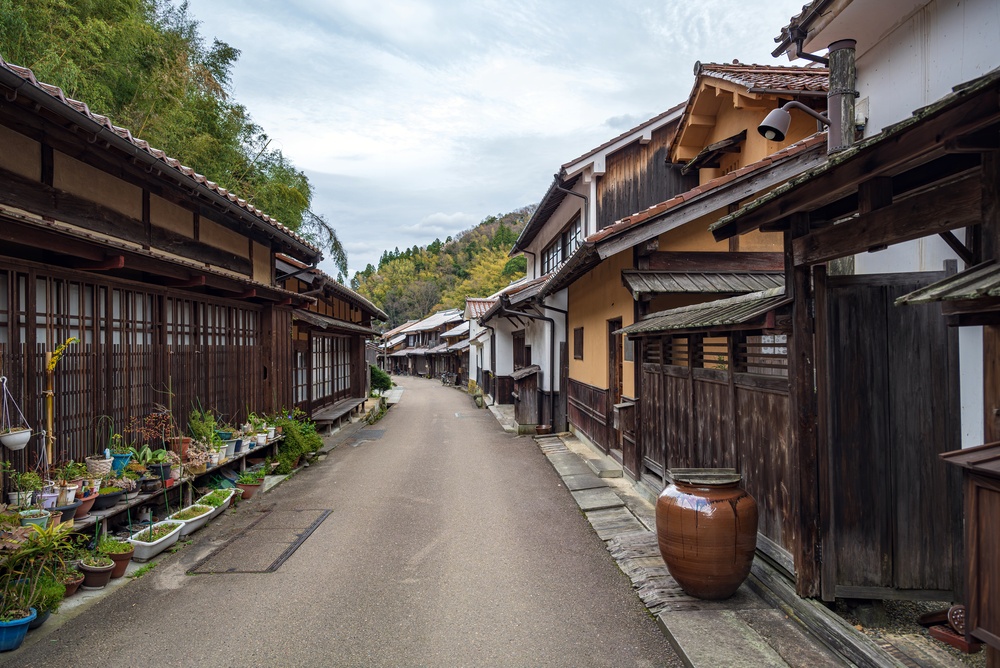
Iwami Ginzan is a historic silver mining site in Oda City, Shimane Prefecture, inscribed on the UNESCO World Heritage List in 2007. The mine flourished during the 16th and 17th centuries, and its silver played an important role in trade across East Asia and with Europe. In addition to the remains of the mines, visitors can explore historic streets, temples, shrines, and routes once used to transport silver. Surrounded by lush landscapes, Iwami Ginzan is a remarkable example of Japan’s industrial heritage and its connections to global trade.
The Adachi Museum of Art
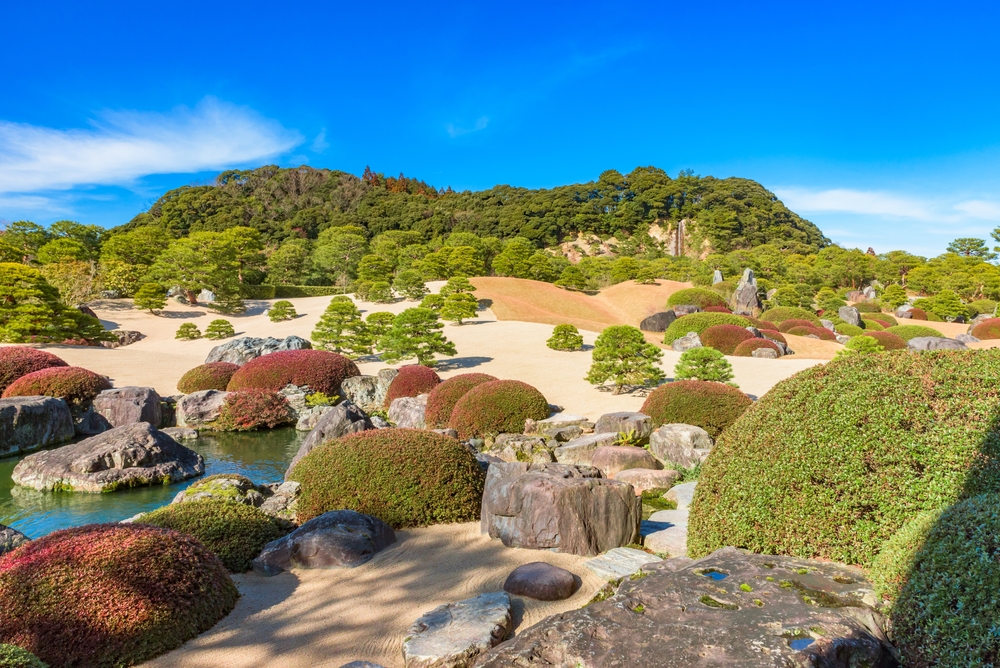
The Adachi Museum of Art, located in Yasugi, Shimane Prefecture, is renowned for its collection of modern Japanese paintings and its beautiful Japanese gardens. The museum houses works by celebrated artists such as Yokoyama Taikan, while its meticulously maintained gardens offer stunning views throughout the seasons. Designed to be appreciated like living paintings, the gardens have earned acclaim both in Japan and internationally. The museum offers a peaceful setting where Japanese art and nature come together in harmony.
Inasa Beach
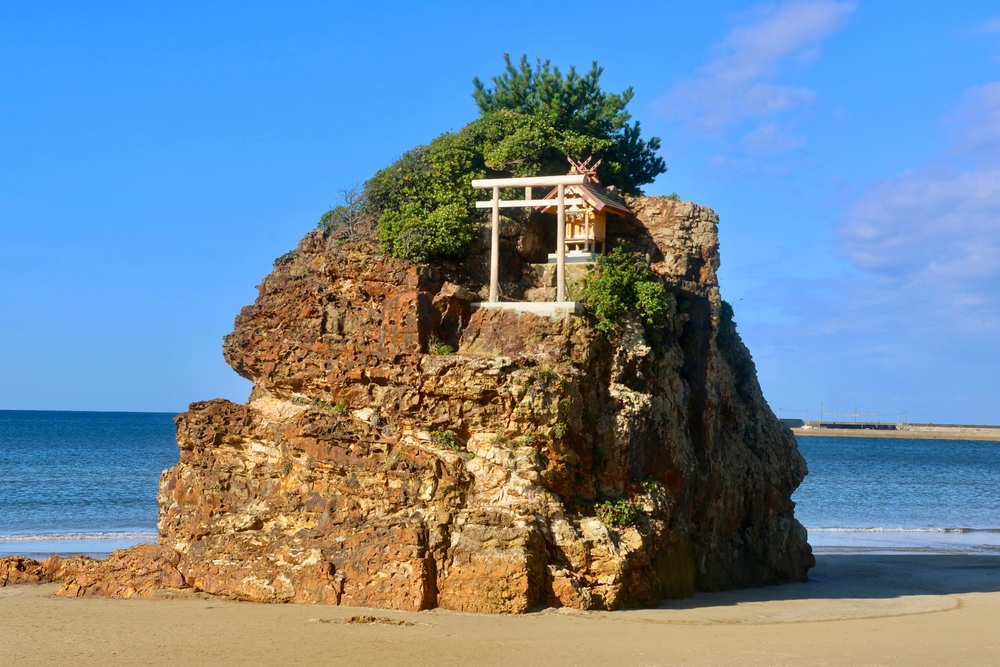
Inasa Beach is a scenic stretch of coastline west of Izumo Taisha and an important setting in Japanese mythology. It is associated with the myth of the transfer of the land to the heavenly deities, and a ritual welcoming the visiting deities is held here during the tenth month of the traditional lunar calendar. A rocky islet known as Bentenjima stands on the beach, creating a striking silhouette against the sunset over the Sea of Japan. Combining mythology with beautiful coastal scenery, Inasa Beach offers a deeper insight into the spiritual traditions of Izumo.
Lake Shinji
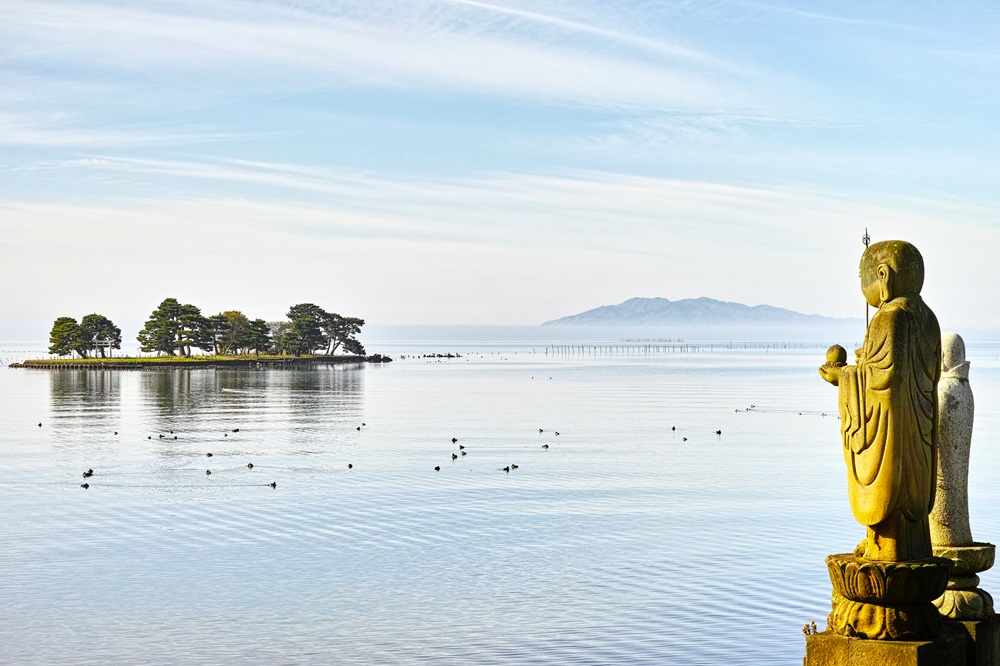
Lake Shinji, located in eastern Shimane Prefecture, is famous for its beautiful sunsets. As the sun sinks toward the horizon, its warm colors spread across the lake, creating one of Matsue’s most iconic landscapes. The lake is also renowned for its freshwater clams, known as shijimi, which are an important part of the local food culture. Lake Shinji is a wonderful place to appreciate both the natural beauty and culinary traditions of Shimane.