Tokyo - Japanese Prefectures Part 47 - 1 Historic and Traditional Tokyo
The final chapter of our Japanese prefecture series has finally arrived!
And what better place to end than Tokyo, the capital of Japan?
With so much to see and discover, we have divided our Tokyo guide into four articles, each focusing on a different theme.
This time, our theme is "Historic and Traditional Tokyo."
Recommended Location
Senso-ji Temple (Asakusa)
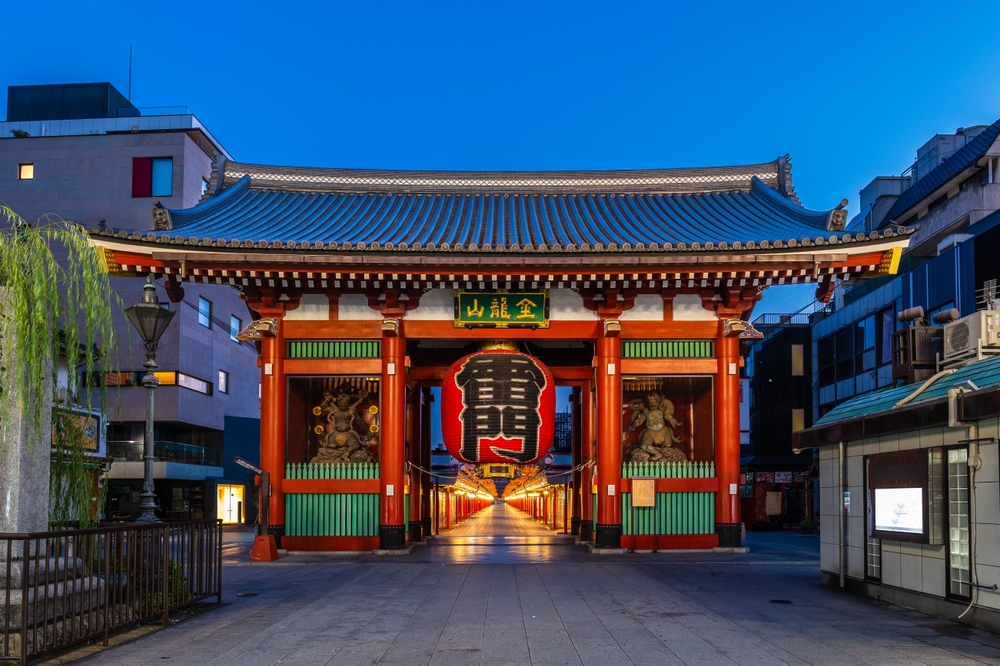
One of Tokyo's most iconic attractions, Senso-ji Temple is believed to have been founded in 628, making it the oldest temple in the city. Visitors enter through the famous Kaminarimon Gate, the symbol of Asakusa, and continue along Nakamise Shopping Street, a lively 250-meter avenue lined with shops selling traditional sweets, souvenirs, and local specialties. Beyond the street stand the impressive Hozomon Gate, the main hall, and a five-story pagoda. With a history of attracting worshippers for centuries, Senso-ji remains one of Tokyo's most popular destinations for visitors from Japan and around the world.
Imperial Palace East Gardens
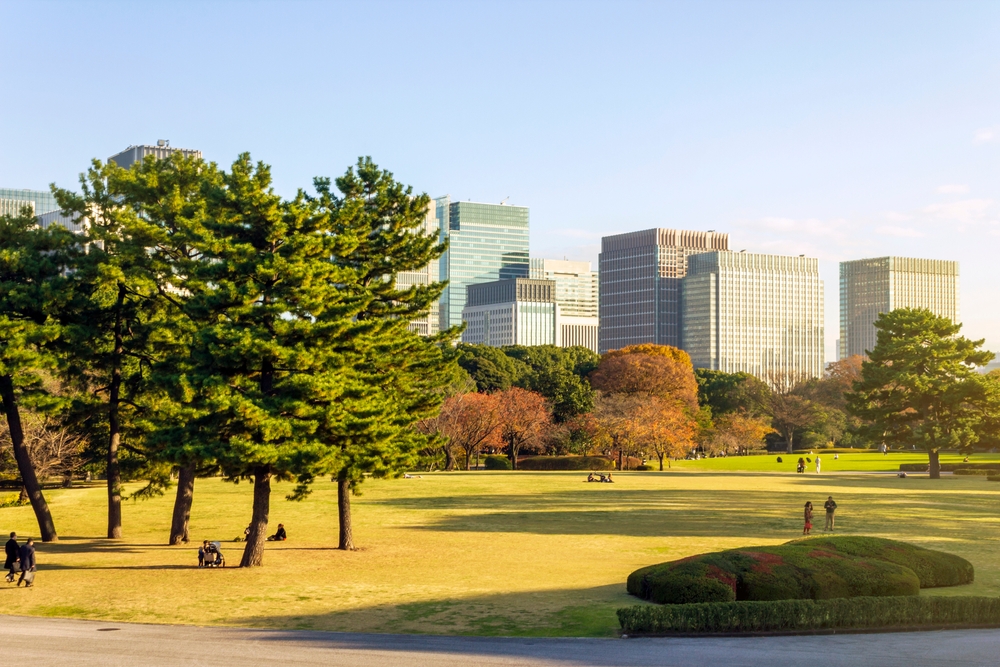
The Imperial Palace East Gardens occupy the former grounds of Edo Castle, including the areas where its main keep and secondary enclosures once stood. During the Edo period, the castle served as the political center of the Tokugawa shogunate and was one of the largest castle complexes in Japan. Today, visitors can still see impressive stone walls, the historic Ote-mon Gate, Fujimi-yagura Turret, and other remnants of the castle. The gardens are also a beautiful place to enjoy seasonal flowers and greenery, offering a peaceful escape in the heart of Tokyo while preserving the history of the Edo period.
Zojoji Temple
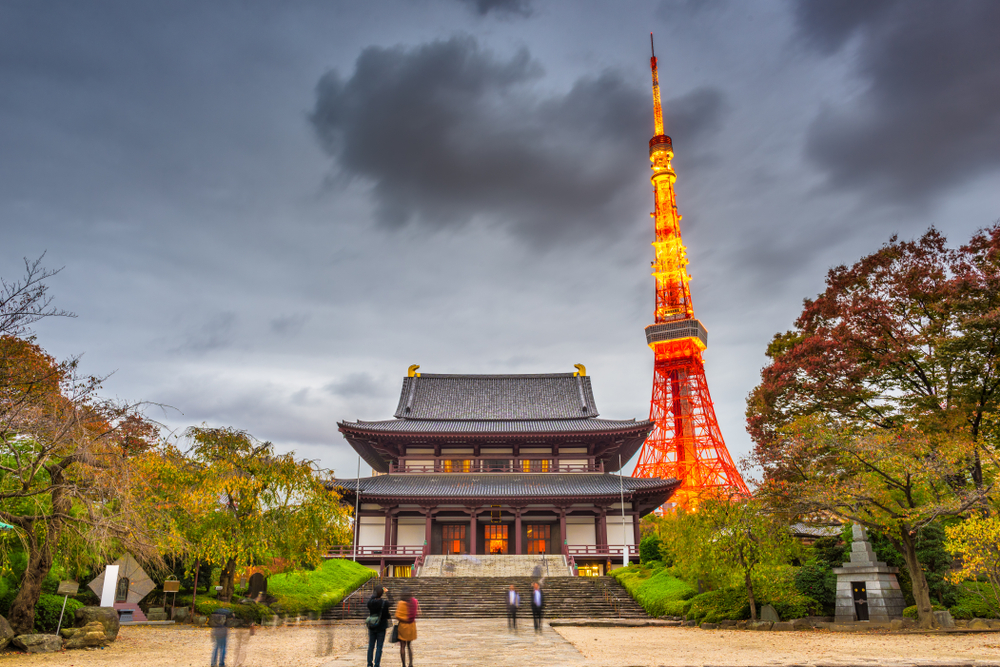
Located in Minato City, Zojoji is one of the seven major temples of the Jodo school of Buddhism. Founded in 1393 at a different location, it was moved to its present site in 1598. During the Edo period, it became the family temple of the Tokugawa shoguns and played an important role in their religious and spiritual life. Highlights include the magnificent Sangedatsumon Gate, an Important Cultural Property of Japan, and the mausoleum of the Tokugawa family. The temple's striking main hall, with Tokyo Tower rising behind it, creates a unique scene where the history of the Edo period meets the modern city.
Nezu Shrine
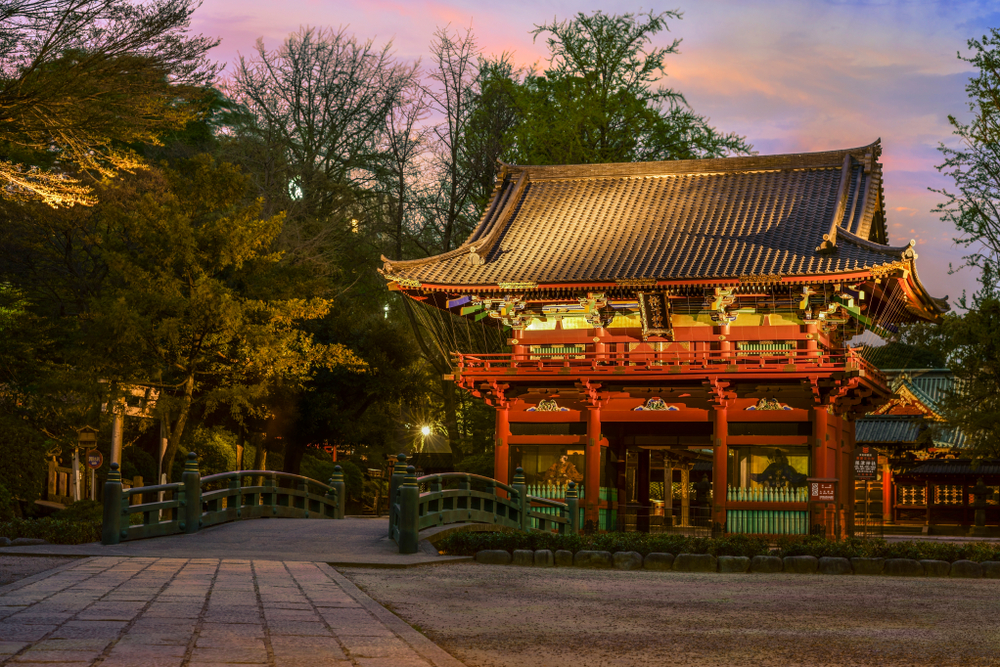
Located in Bunkyo City, Nezu Shrine is a historic shrine with a history believed to span more than 1,900 years. Its present shrine buildings were constructed in 1706 under the patronage of Tokugawa Tsunayoshi, the fifth shogun of the Edo period. The main sanctuary, tower gate, and Chinese-style gate are among the structures designated as Important Cultural Properties of Japan. The grounds also feature Otome Inari Shrine, with its beautiful rows of red torii gates, and a garden where around 3,000 azalea bushes bloom in spring. Combining historic architecture with seasonal natural beauty, Nezu Shrine offers a peaceful retreat in central Tokyo.
Kabukiza Theatre
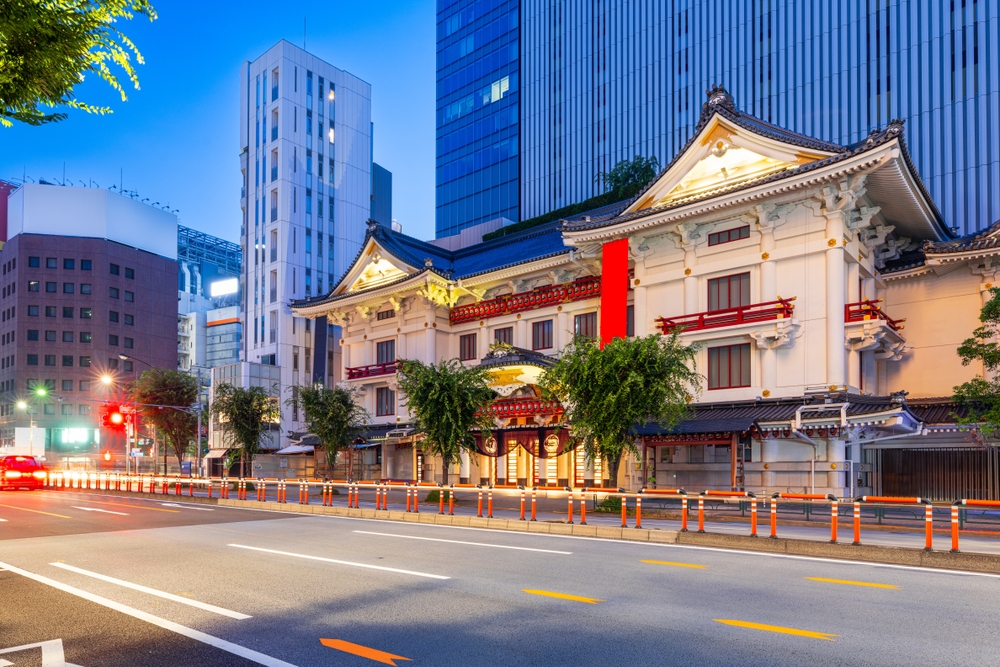
Kabukiza Theatre is one of Tokyo's most iconic venues for kabuki, a traditional form of Japanese performing arts. First opened in 1889, the theatre has been rebuilt several times following fires and wartime damage. The current building, the fifth in its history, was completed in 2013.
Its elegant exterior, inspired by the Momoyama architectural style, makes it an impressive sight even from the outside. Inside, visitors can enjoy kabuki performances, explore exhibitions related to this traditional art form, and browse shops selling souvenirs. It is a wonderful place to experience an important part of Japanese culture in the Ginza area.
Tokyo Station
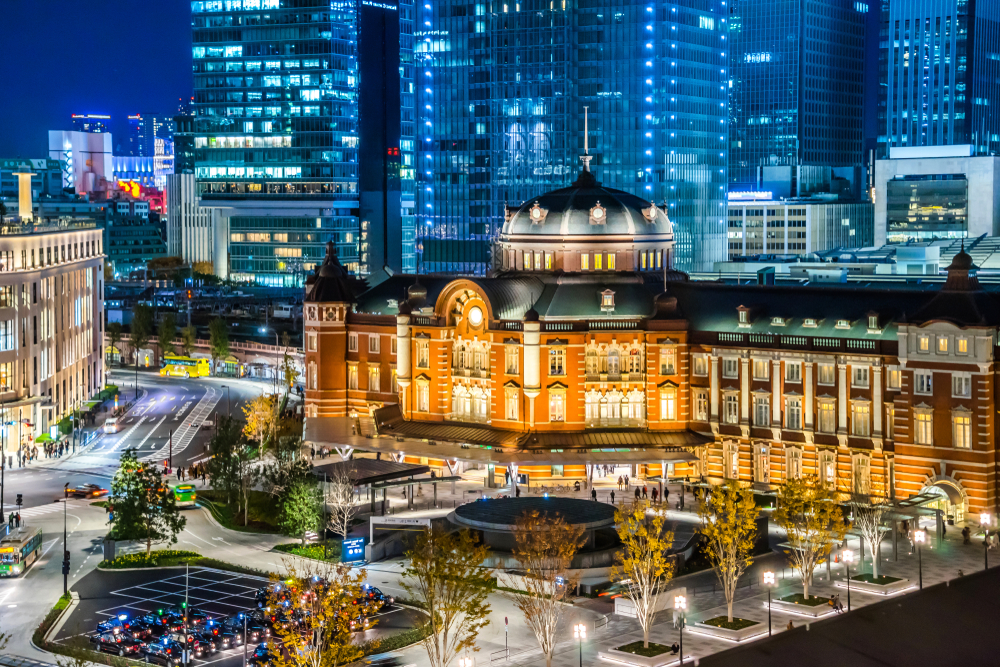
Opened in 1914, Tokyo Station is one of Japan's most important railway stations. Its iconic red-brick Marunouchi building was designed by architect Kingo Tatsuno and is known for its elegant, symmetrical facade. The building was severely damaged during World War II air raids, but after years of preservation and restoration work, it was returned to its original appearance in 2012. Inside, visitors can admire the magnificent domed ceilings and beautiful historical details. Still serving as a major transportation hub for Shinkansen bullet trains and local rail services, Tokyo Station is both a living part of the city's daily life and an architectural symbol of Japan's modernization.